Fire Hydrant System for Buildings and Industrial Plants
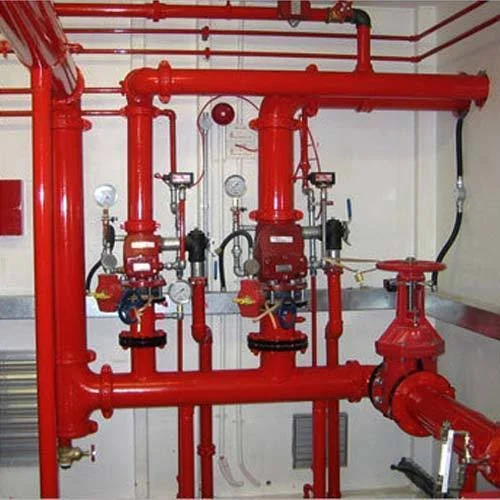
The hydrant system is the first thing a fire officer checks and the first thing the fire service uses. A fire hydrant system is only as good as its weakest link — a pump that will not start on demand, a landing valve seized open, or a hose that was never pressure tested. We supply, install and commission complete wet riser and hydrant installations to IS 3844 and NBC 2016 Part IV.
Scope of a complete installation
- Main, jockey and diesel standby pumps with automatic start on pressure drop.
- Wet riser mains, isolation valves and air release arrangements.
- Landing valves, internal and external hydrants, and yard hydrant points.
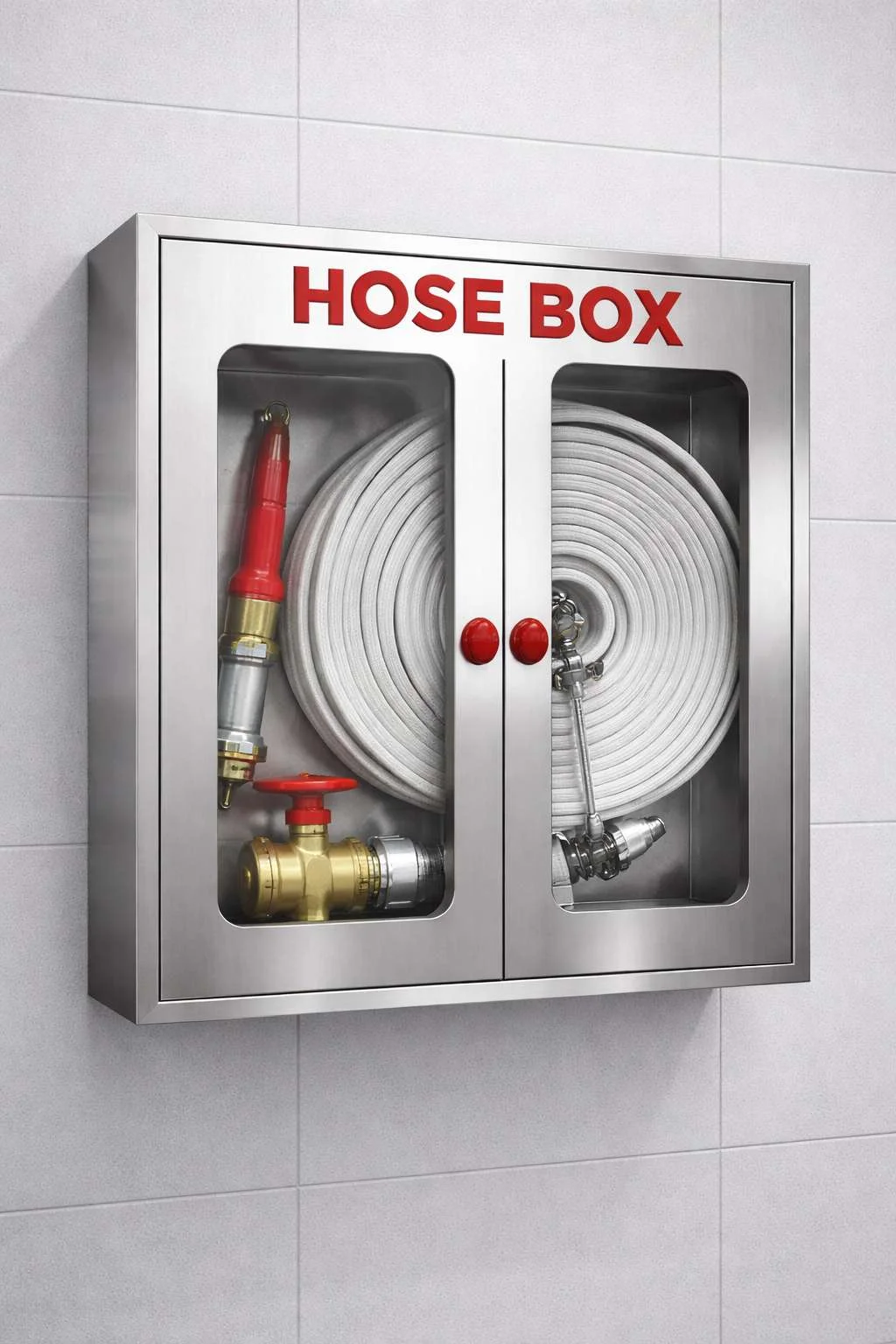
- Hose boxes with hose reels, branch pipes, nozzles and couplings.
- Fire brigade inlet connections and pressure gauges at every landing.
Design inputs we need
Building height and footprint, occupancy classification, static tank capacity and the position of the pump room. From that we size the pumps, the riser diameter and the number of landing valves so the system delivers the required pressure at the topmost and the most remote outlet — the two points that actually govern the design.
Industrial and warehouse hydrants
Yard hydrant rings, monitor points and foam inductor arrangements for plants handling flammable liquids, with layouts prepared for insurer and statutory review.
Testing and maintenance
Commissioning includes a full flow and pressure test at the hydraulically most remote outlet. Annual maintenance contracts cover pump run tests, valve servicing, hose pressure testing and replacement of consumables.